
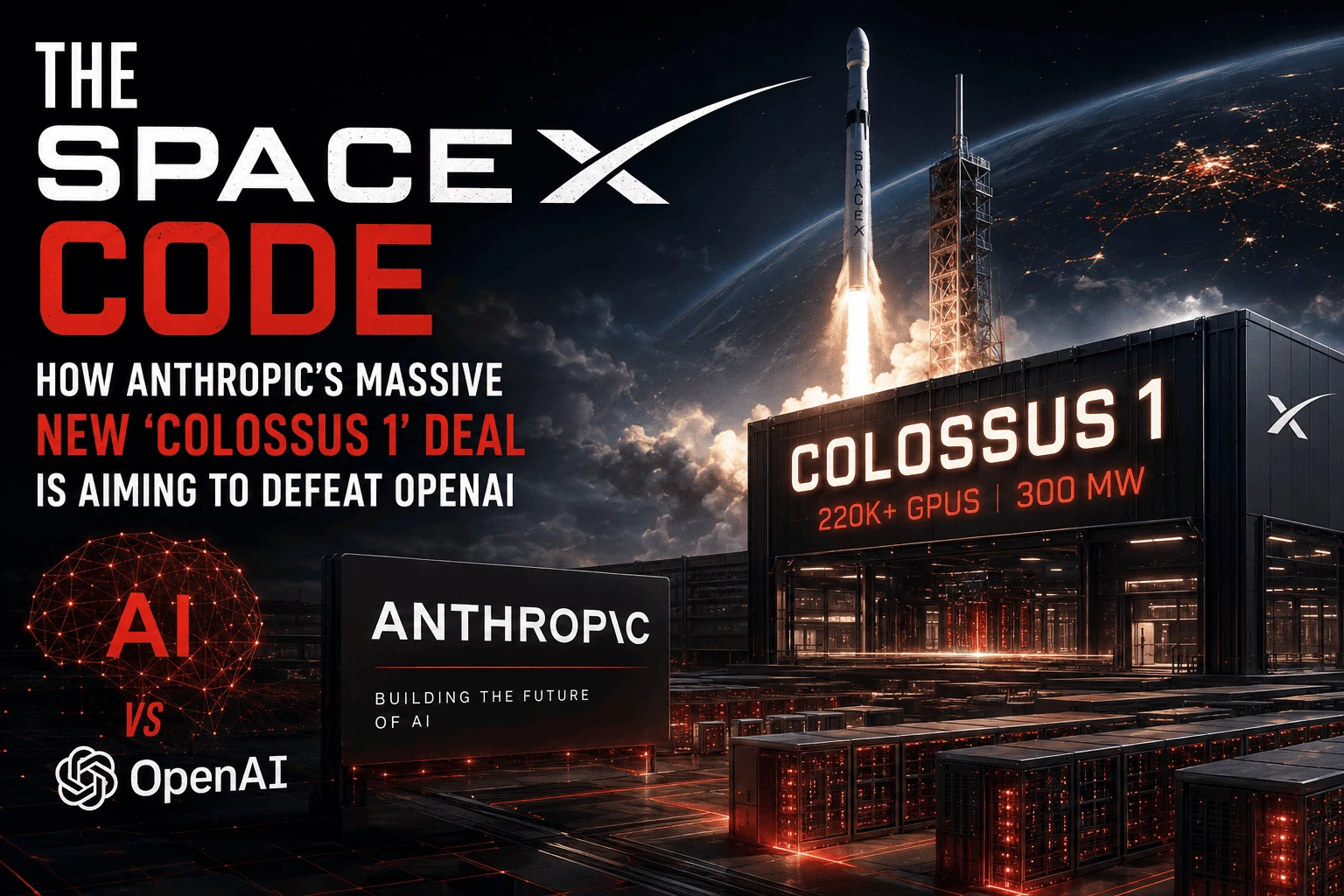
What is the Anthropic SpaceX Colossus 1 partnership? In May 2026, Anthropic signed a definitive computing agreement with SpaceX (via its SpaceXAI infrastructure arm) to lease 100% of the operational capacity at the Colossus 1 data center in Memphis, Tennessee. The deal grants Anthropic instant access to over 300 megawatts of power and a massive cluster of 220,000 NVIDIA GPUs to permanently scale up Claude Max usage limits and remove peak-hour rate restrictions.
The artificial intelligence race has officially moved out of the research lab and onto the electrical grid. For the past several quarters, software breakthroughs have taken a back seat to a much more cutthroat reality: the absolute scarcity of hardware infrastructure, data centers, and raw electricity. In a surprising industry alliance, Anthropic has executed a massive land-grab for compute by partnering directly with Elon Musk’s SpaceX.
By locking down the entirety of the legendary Memphis-based supercluster, Anthropic is aggressively resolving its severe capacity crunch. As digital publishers and enterprise users adapt to structural visibility drops across search engines—highly documented by the recent AI Overview CTR Drop—Anthropic’s massive infrastructure play redefines who controls the back-end plumbing of the global AI economy. Here is a technical deep dive into the deal.
The Scaling Crisis: Why Anthropic Needed Colossus 1
The underlying driver for this emergency infrastructure deal is Anthropic’s staggering, unprecedented growth curve. During the opening keynote at Anthropic’s developer summit in San Francisco, executives revealed that the company experienced a massive 80-fold annualized volume expansion in the first quarter of the year. Corporate revenue has skyrocketed past an annualized $30 billion run rate, up from just $9 billion at the close of 2025.
However, this astronomical consumer adoption caught the company unprepared. Severe server strain regularly impacted premium tier reliability during peak business hours. To stop losing enterprise ground to OpenAI, Anthropic turned to its direct competitor’s hardware surplus.
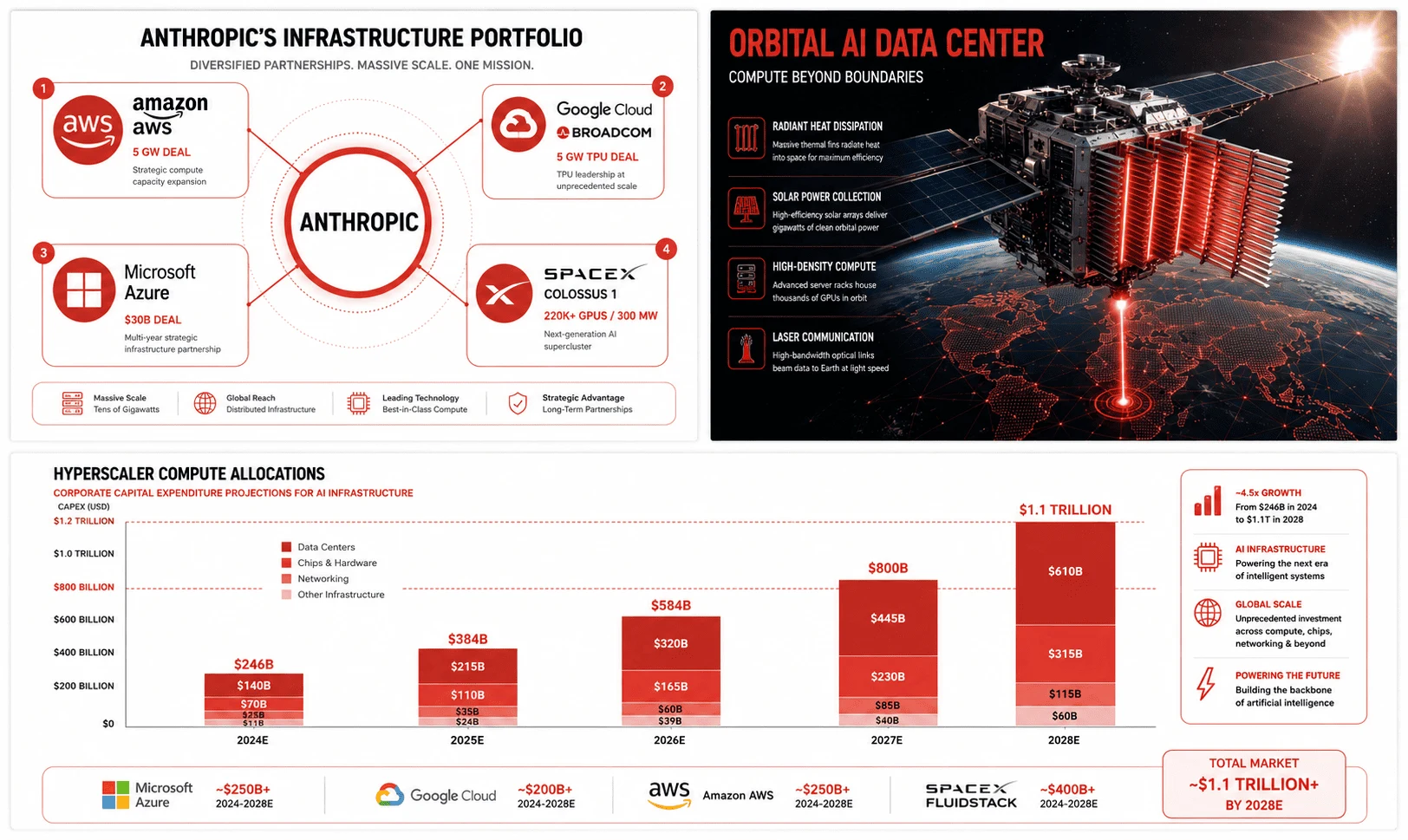
With SpaceXAI transitioning its flagship model training to the newly completed Colossus 2 facility, the original Colossus 1 site became prime, plug-and-play lease capacity. Anthropic moved immediately to secure the asset, adding a multi-billion-dollar annual pipeline to its infrastructure portfolio alongside ongoing projects with Amazon AWS, Google Cloud, and Fluidstack.
Hardware Specifications: Inside the 220,000-GPU Powerhouse
The scale of the Anthropic SpaceX Colossus 1 lease is difficult to overstate. Located at a repurposed industrial site in Memphis, Tennessee, the facility represents the fastest large-scale data center deployment in modern history. The architecture includes highly specialized compute vectors:
- 220,000 NVIDIA Accelerators: The cluster features dense arrays of NVIDIA H100 and H200 chips, reinforced by early node integrations of next-generation GB200 Blackwell liquid-cooled architectures.
- 300-Megawatt Power Footprint: The facility draws an immense electrical load backed by specialized, dedicated wastewater cooling infrastructure loops designed to manage extreme parallel processing thermal demands.
- Immediate Rate Limit Adjustments: Hours after the ink dried on the SpaceX agreement, Anthropic officially doubled the five-hour message caps for Claude Code across Pro, Team, and Enterprise channels, completely eliminating the controversial peak-hour throttles on Claude Max usage limits.
The Next Frontier: Orbital AI Compute and Space-Based Racks
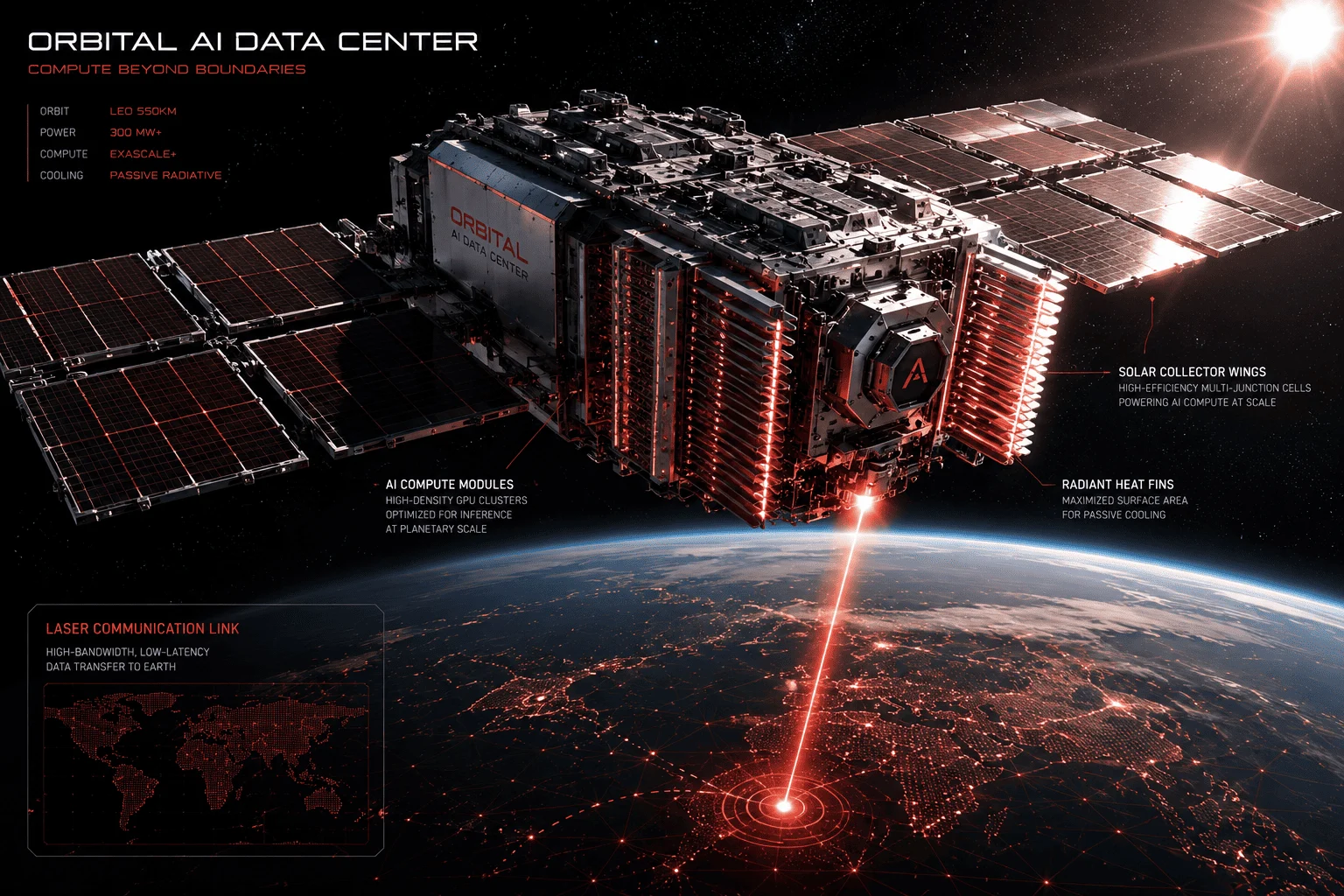
While the immediate acquisition of terrestrial GPUs solves Anthropic’s short-term capacity crisis, the secondary item on the press release has captured the imagination of Silicon Valley: a shared intent to develop multi-gigawatt **orbital AI compute** infrastructure.
Terrestrial data centers are rapidly approaching a hard wall. Local municipalities are pushing back against massive water usage, and land availability near stable power grids is drying up. Space-based compute offers an elegant, though incredibly complex, engineering escape hatch.
Why Frontier Models are Moving to Space:
1. Limitless Solar Collection: Outside Earth’s atmospheric filter, solar panels can capture continuous, unobstructed solar energy to power massive computation arrays.
2. The Vacuum Thermal Advantage: By integrating advanced vacuum-insulated circuits and massive specialized radiator fields, space servers can radiate heat efficiently without consuming billions of gallons of local fresh water.
3. Mass-to-Orbit Economics: By leveraging SpaceX’s massive Starship launch cadence, the capital cost of deploying heavy server racks into low Earth orbit has dropped to a level that makes orbital hosting a viable engineering roadmap.
Technical Breakdown: Terrestrial Superclusters vs. Orbital AI Compute
To understand how this infrastructure deal transitions from the ground to the stars over the next decade, we can map out the technical parameters of current vs. future server hosting:
| Operational Vector | Terrestrial Cluster (Colossus 1 Memphis) | Orbital AI Compute Layer (Projected) |
|---|---|---|
| Power Acquisition | Municipal power grids, subject to local regulation. | Direct, unattenuated space-based solar arrays. |
| Cooling Mechanism | Industrial wastewater processing and evaporation. | Deep-space thermal radiation and vacuum-insulated nodes. |
| Physical Security | Standard perimeter fences and localized facility guards. | Geographic isolation in orbit, completely secure from physical entry. |
| Latency Profile | Sub-millisecond local fiber connections. | Laser-based satellite mesh routing networks (Starlink backbone). |
Publishing in the Era of Infinite Compute: Defeating the CTR Drop
As Anthropic leverages SpaceX hardware to run increasingly complex, agentic logic systems, search behavior is undergoing an irreversible evolution. With Claude Max models freed from strict rate limits, more users are relying on direct, autonomous multi-site data synthesis rather than typing questions into a traditional browser link window.
This reality has drastically accelerated the AI Overview CTR Drop for mainstream content publishers. When a highly optimized, 220,000-GPU cluster can instantly read, summarize, and display your website’s value proposition directly inside a user’s terminal workspace, your traditional web funnel must adapt. Implement these structural steps immediately:
- Optimize for Asynchronous Scraping Architecture: Structure all data assets, pricing charts, and product documentation to perfectly support AI crawling protocols. If your text is hidden inside complex, non-semantic code formats, Claude’s background agents will bypass your platform during data synthesis.
- Monetize via Private API Integrations: Stop relying entirely on standard ad impressions. Build secure API verification paths so that enterprise agents can purchase or access your specialized data products directly inside the Claude Cowork or Claude Code terminal layers.
- Maximize Net-New Information Value: LLMs are highly proficient at summarizing generic, public information. To maintain brand equity and ensure your site is explicitly cited as a trusted source inside the AI output block, fill your content with first-party data assets, original research studies, and real-world implementation histories.
Conclusion: The $1 Trillion IPO Landscape
Anthropic’s massive play for the Colossus 1 data center capacity confirms that the modern tech war is no longer a battle of software developers—it is a war of raw infrastructure aggregation. As Anthropic plans for its historic upcoming initial public offering alongside SpaceX and OpenAI, the consolidation of energy and hardware assets will dictate market leadership.
By securing an immediate 300-megawatt footprint on the ground while laying the structural groundwork for **orbital AI compute** networks in space, Anthropic has firmly positioned itself to meet the massive demand wave of the agentic corporate era.