
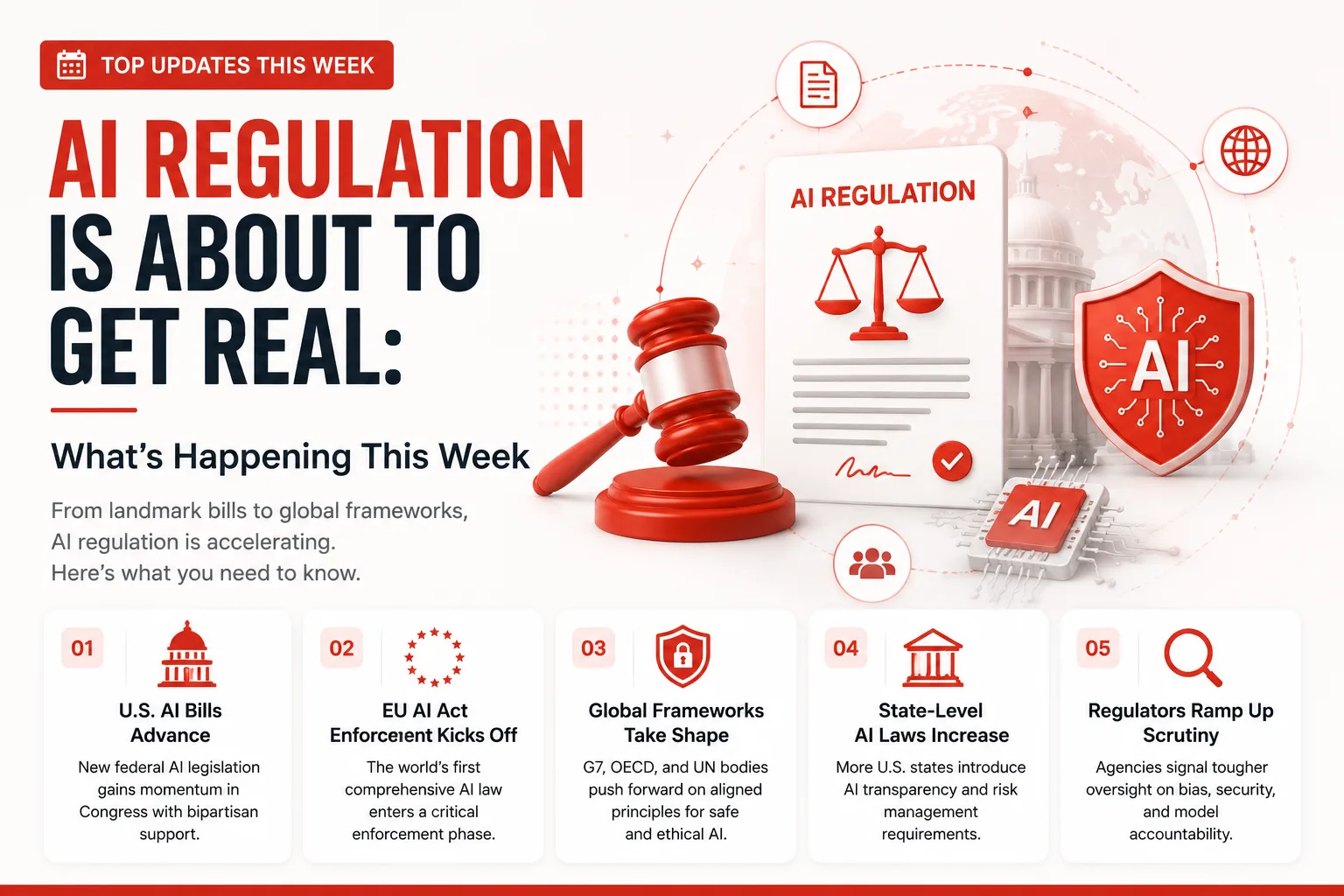
If you’ve been putting off thinking about AI compliance, this is your nudge. The next couple of weeks are shaping up to be one of the busiest stretches in AI policy history, with major deadlines hitting on both sides of the Atlantic.
The EU’s Big Deadline Is Almost Here
Mark August 2, 2026, on your calendar; that’s when the core obligations of the EU AI Act kick in for most AI systems operating in Europe. This isn’t a symbolic milestone. High-risk system requirements and transparency rules become enforceable, and the European AI Office already has 17 member states with national watchdogs in place and ready to act.
On July 20, the European Commission also published its guidelines on transparency obligations for AI providers and deployers, giving companies a clearer (if late) picture of what’s expected of them just weeks before enforcement begins. Alongside that, the Commission finalized its voluntary Code of Practice on Transparency of AI-Generated Content, intended to help businesses demonstrate good faith even as the hard rules are still being interpreted.
If your company sells into or operates in the EU, the message is simple: the grace period is over.
The US Is Fighting Over Who Gets to Regulate AI at All
Meanwhile in Washington, the argument isn’t really about what the rules should say — it’s about who gets to write them. A bill dubbed the “Great American AI Act” cleared the Senate with language aimed at preempting the patchwork of state AI laws that have sprung up over the past two years. Whether it survives the House will determine if compliance teams need to track federal rules or fifty different state frameworks.
At the agency level, the FTC is also moving. It’s taking public comments through July 31 on a policy statement addressing how state laws interact with the “truthful outputs” of AI models a directive that traces back to a presidential executive order from last December.
Individual states aren’t waiting around either. New York lawmakers wrapped up their session by passing a kids’ chatbot safety bill, an AI training-data transparency act, and a ban on AI-driven surveillance pricing, all now sitting on Governor Hochul’s desk.
Elsewhere, the Net Is Widening
China isn’t sitting this one out either; its rules on companion and emotional-support AI officially took effect on July 15, adding a new compliance layer for any product touching Chinese users. And in Geneva, the UN’s Global Dialogue on AI Governance brought governments, companies, and civil society together to hash out what international coordination might even look like, amid warnings from UN officials about the pace of AI adoption among children outstripping the safeguards meant to protect them.
The Takeaway
No single global AI rulebook exists yet and won’t for a while. But the direction is clear: transparency requirements, age-appropriate safeguards, and accountability for AI outputs are becoming standard expectations rather than optional extras. If your organization builds or deploys AI, the smart move right now is figuring out which of these rules actually apply to you, not waiting to see which ones stick.
This article reflects publicly available regulatory updates as of July 23, 2026. Always confirm requirements with official regulatory sources or legal counsel before making compliance decisions.